mrbuddhistory.com
  • Home
  • Shop
  • iGCSE
  • IBDP
    • Paper 1
    • Paper 2 >
      • Topic 10: Authoritarian States
      • Topic 12: The Cold War >
        • 1. Causes of the Cold War >
          • 1. What role did ideology play in the Grand Alliance?
          • 2. How did wartime disagreements affect the alliance?
          • 3. Did Soviet expansionism end the alliance?
          • 4. Was US exceptionalism to blame?
          • 5. Did events in Asia exacerbate tensions?
          • 6. Were tensions over Germany the final straw?
          • 7. Summary: Who was to blame for the Cold War?
        • 2. Conflict & Confrontation >
          • 1. How did competition unfold in Asia?
          • 2. What conflicts emerged in Europe?
          • 3. How did the Cold War shape the Middle East?
          • 4. Were tensions in the Americas unexpected?
          • 5. Why did the Cold War spread to Africa?
          • 6. How did scientific change drive the conflict?
          • 7. Summary: Who won the global struggle?
        • 3. Detente and Coexistence >
          • 1. Did peaceful coexistence work?
          • 2. What did detente achieve?
          • 3. Why did detente fail?
          • 4. Summary: Was detente a failure?
        • 4. China and the Cold War >
          • 1. Why were Sino-Soviet relations so turbulent?
          • 2. How did Sino-American relations change?
          • 3. What other relations did China cultivate?
          • 4. Summary: When did China become a global power?
        • 5. End of the Cold War >
          • 1. Did the USSR decay from within?
          • 2. Did Ronald Reagan win the war?
          • 3. Was Mikhail Gorbachev to blame?
          • 4. What role did people power play?
          • 5. Why did the USSR finally collapse?
          • 6. Summary: Who, or what, ended the Cold War?
        • 6. Leaders, Crises and Nations >
          • 1. What was the impact of leaders?
          • 2. How significant were Cold War crises?
          • 3. In what ways were nations affected?
          • 4. Summary: What was the role of leaders, crises and nations?
        • Exam Questions
    • Paper 3 - Asia/Oceania >
      • Topic 9: Imperial Decline in East Asia 1860-1912
      • Topic 11: Japan 1912-1990
      • Topic 12: China and Korea 1910-1950
      • Topic 14: The People's Republic of China 1949-2005
      • Topic 15: Cold War Conflicts in Asia >
        • 1. The Malayan Emergency >
          • 1. What triggered conflict in Malaya?
          • 2. How did the Emergency evolve?
          • 3. Why was the insurgency defeated?
          • 4. What was the impact of the Emergency?
          • 5. Summary: Why was communism defeated?
        • 2. The Korean War >
          • 1. What caused the Korean War?
          • 2. How did the Korean War evolve?
          • 3. How was the Korean War resolved?
          • 4. What was the impact of the Korean War?
          • 5. Summary: Was the Korean War a turning point?
        • 3. The French Indochina War >
          • 1. What caused the French Indochina War?
          • 2. How did the French Indochina War evolve?
          • 3. How was the war in Indochina resolved?
          • 4. What was the impact of the Indochina War?
          • 5. Summary: What accounts for the French defeat?
        • 4. The Vietnam War >
          • 1. What caused the Vietnam War?
          • 2. How did the Vietnam War evolve?
          • 3. How was the Vietnam War resolved?
          • 4. What was the impact of the Vietnam War?
          • 5. Summary: Was the Vietnam War inevitable?
        • 5. The Cambodian Civil War >
          • 1. What caused the Cambodian Civil War?
          • 2. How did the Cambodian Civil War evolve?
          • 3. How was the Civil War resolved?
          • 4. What was the impact of the Cambodian Civil War?
          • 5. Summary: Who can be blamed for events in Cambodia?
        • 6. The Soviet Afghan War >
          • 1. Why did the USSR invade Afghanistan?
          • 2. How did the Soviet-Afghan war evolve?
          • 3. How was the Soviet Union defeated?
          • 4. What was the impact of the Soviet-Afghan war?
          • 5. Summary: Why did the USSR withdraw?
        • Exam Questions
  • Links
    • is globalpolitics
    • is history
    • is humanities

1. The Malayan Emergency ​(1948-60)

Unit Outline


The Malayan Emergency of 1948-1960 was one of the earliest and longest running Communist insurgencies of the Cold War. The insurgency would spring to life again in 1968, with an elusive peace only being signed in 1989. It is also significant for being considered a rare success of counter-insurgency strategy in guerilla warfare. Yet the historical focus on military strategy predominant in so many orthodox accounts masks the often controversial history of British rule in Malaya. 

With similar roots to the various anti-colonial struggles of many other European colonies in the post-war period, the uprising by the Malayan Communist Party emerged from a legitimate desire to build a better society. Yet the MCP failed to unite the various ethnic communities of Malaya around a unified vision of the future. Worse still, the MCP failed to develop an effective military strategy that would win the support of civil society. On the other hand, the British Commonwealth forces would seize upon these failures to effectively destroy the MCP as a credible fighting force by 1957. 

​How Communist Parties like the MCP sought power through military struggle is thus a major theme of Cold War Conflicts in Asia, therefore the statement of inquiry for this unit is: 

Picture
statement of inquiry
The success of counterinsurgency depends not just on the significance of its military strategy but also on winning cooperation with civil society
global context
Identities and Relationships (Competition and cooperation; teams, affiliation and leadership) - Students will explore identity; beliefs and values; personal, physical, mental, social and spiritual health; human relationships including families, friends, communities and cultures; what it means to be human.
key history concept
Significance - History is not simply the record of all events that have happened in the past. Instead, history is the record that has been preserved through evidence or traces of the past, and/or the aspects that someone has consciously decided to record and communicate. Students should be encouraged to ask questions about why something may have been recorded or included in a historical narrative. Similarly, they should be encouraged to think about who or what has been excluded from historical narratives, and for what reasons. Additionally, students’ questions should encourage them to think about, and assess, the relative importance of events, people, groups or developments, and whether the evidence supports the claims that others make about their significance.
related history concept(S)
Cooperation - Cooperation is the action or process of individuals or societies working together towards the same end. Historians examine the cooperation between societies, individuals, and environments in order to determine the positive, negative, short-term, and long-term factors that define/derive a historical event or process. Cooperation can be a catalyst for change or continuity. Cooperation between actors implies certain levels of responsibility.

1. What triggered conflict in Malaya?

Picture
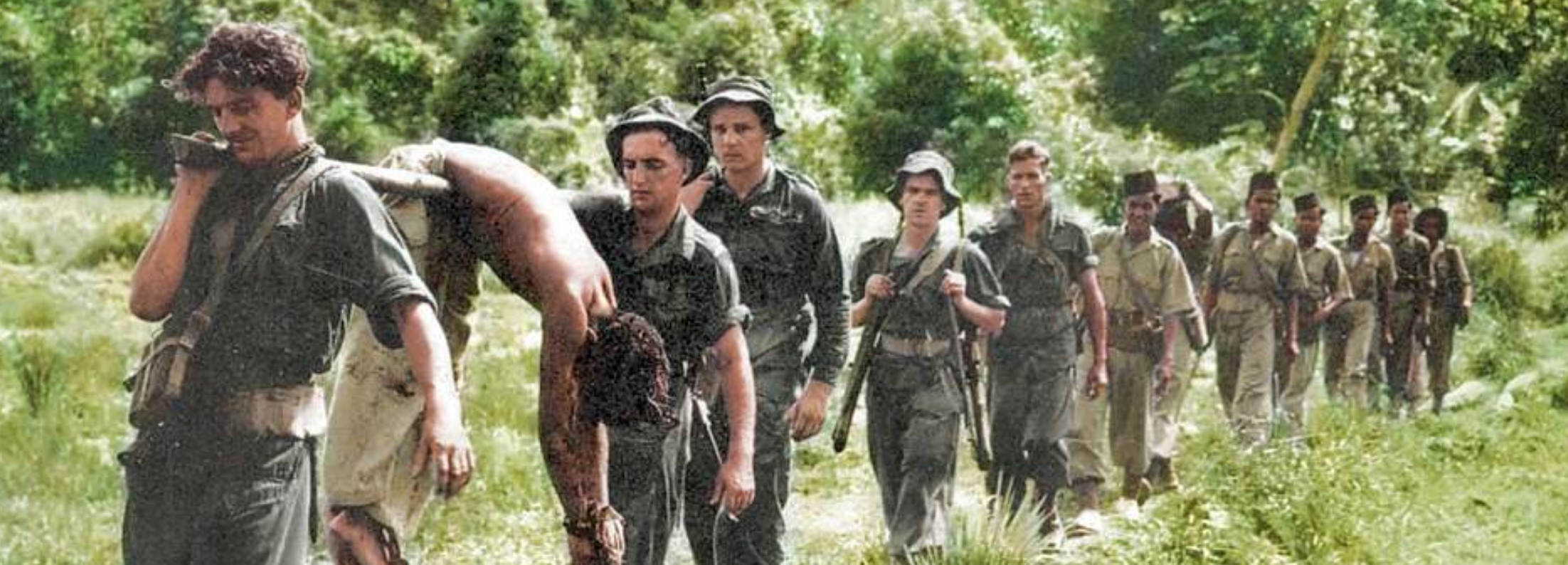
Controversy surrounds the history of the Malayan Emergency. Orthodox accounts view the conflict as a failed communist revolution. But this neglects the anti-colonial nature of the uprising and the struggle for equality amongst minorities in Malaya. So what triggered it?

2. How did the Emergency evolve?

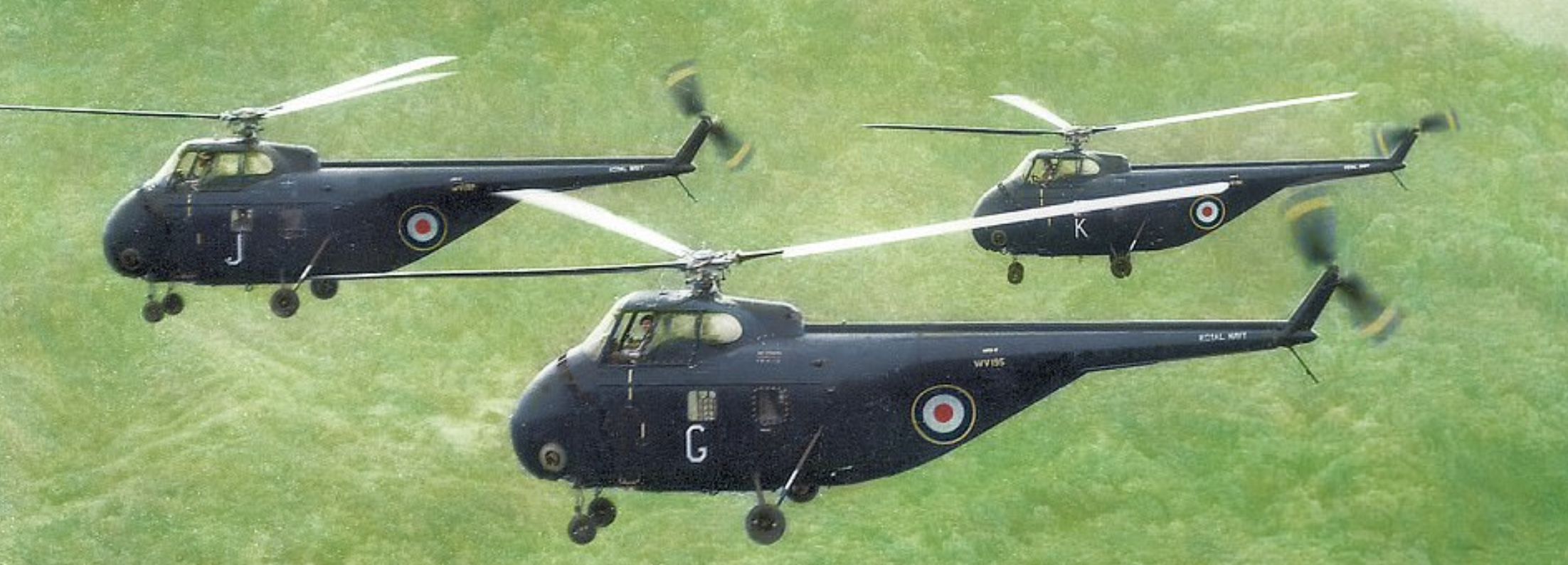
​The evolution of the conflict in Malaya has always been a historically significant focus of study. Being a rare example of a successful counter-insurgency operation, British victory in Malaya is analysed to work out what accounts for victory, and whether this be replicated?
Picture

3. Why was the insurgency defeated?

Picture
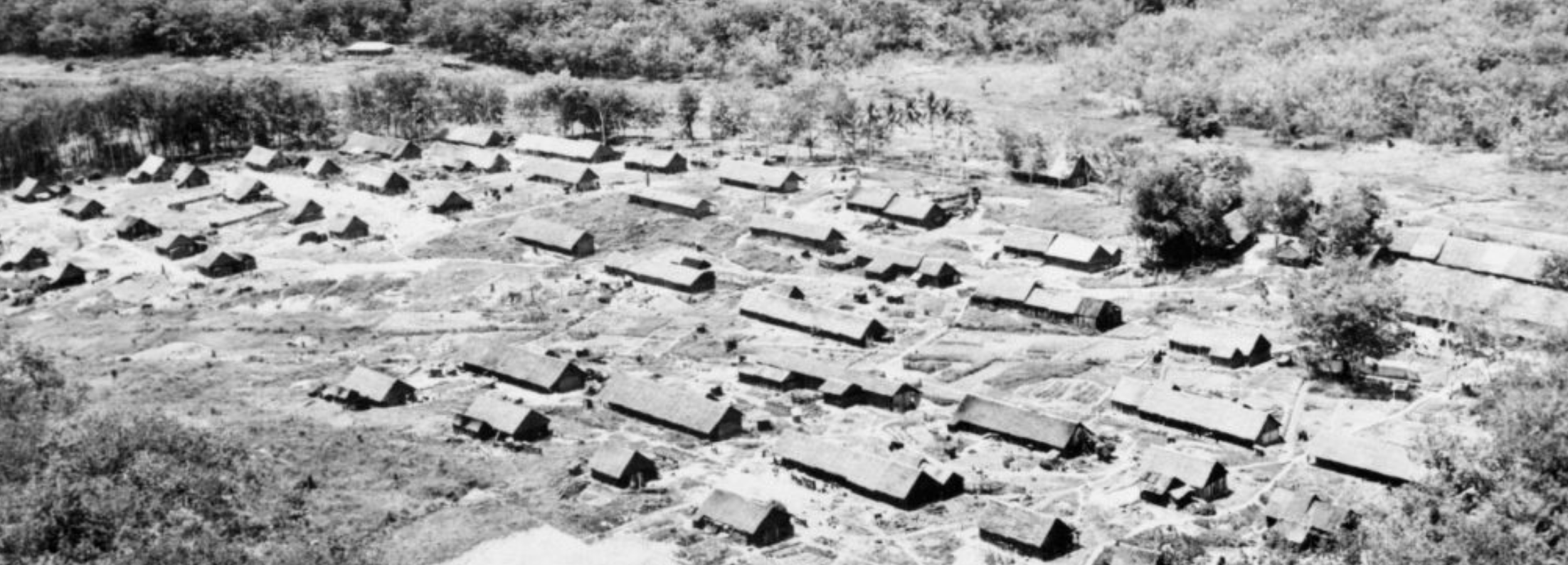
Whilst British victory isn't disputed, historians do question the extent to which military rather than political factors were more significant. Considering the various historical perspectives surrounding the conflict enables us to better understand this debate.

4. What was the impact of the Emergency?

The legacy of the Emergency is hotly debated. On the one hand, it helped usher in Malaya independence and secured Western power in the region throughout the Cold War. Yet its suppression of left wing activism only served to freeze social & political problems.
Picture

5. Summary: Why was communism defeated?
Picture
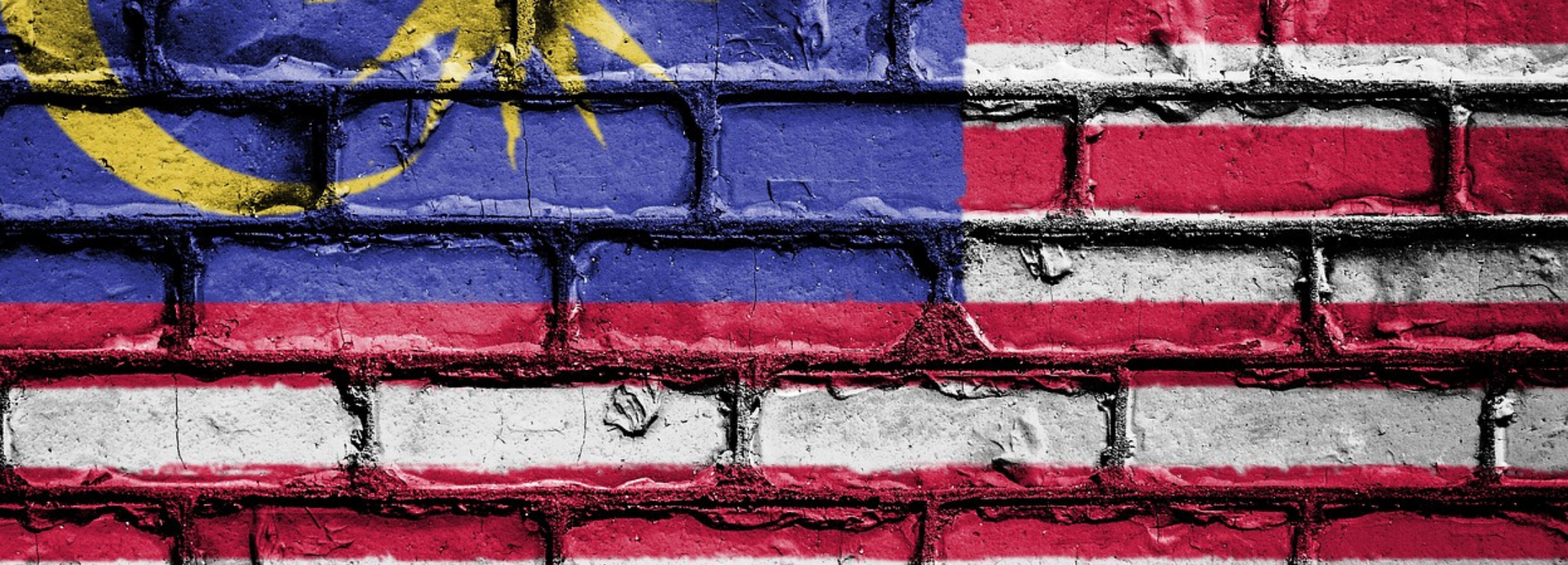
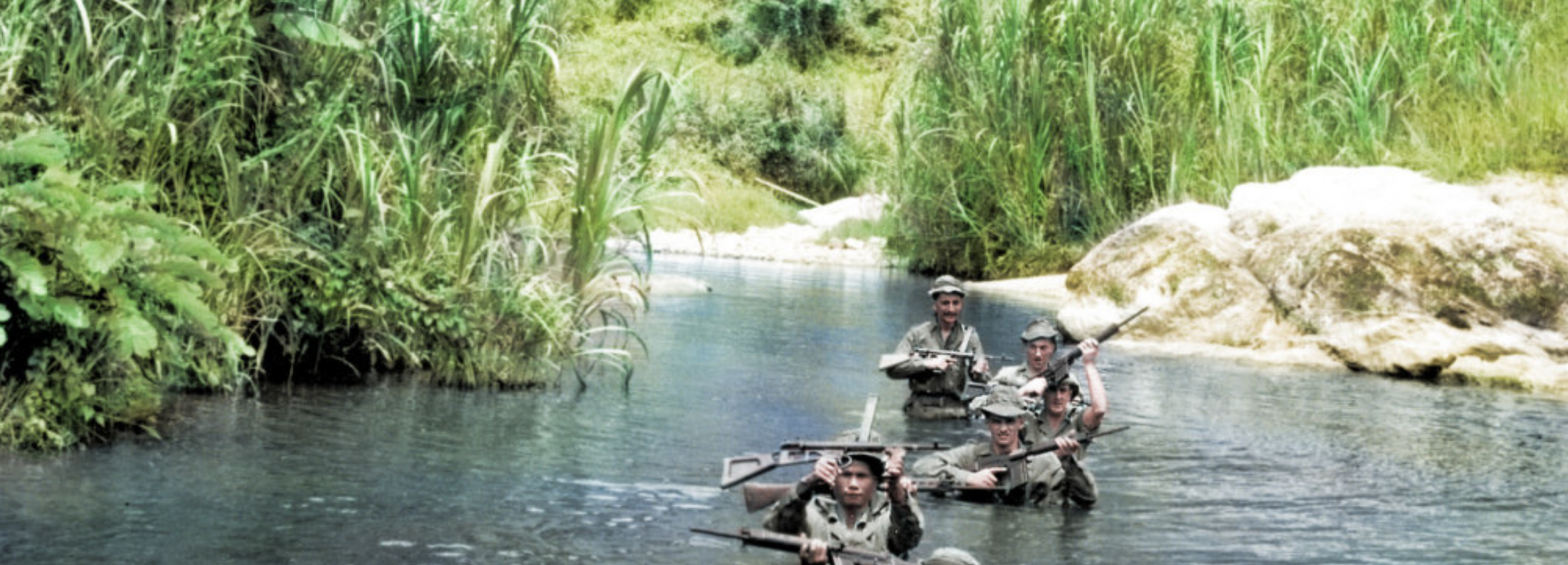
The Emergency is most remembered for being a rare example of a successful counter insurgency campaign. But as well as the reasons for its success, we also need to consider what the causes of the conflict tell us about the nature of the Cold War in Asia.
MRBUDDHISTORY.COM was created in 2012 in order to support the learning of students in History. The site is devoted to creating high-quality and accessible teaching and learning resources for history education and other humanities subjects. 
  • Home
  • Shop
  • iGCSE
  • IBDP
    • Paper 1
    • Paper 2 >
      • Topic 10: Authoritarian States
      • Topic 12: The Cold War >
        • 1. Causes of the Cold War >
          • 1. What role did ideology play in the Grand Alliance?
          • 2. How did wartime disagreements affect the alliance?
          • 3. Did Soviet expansionism end the alliance?
          • 4. Was US exceptionalism to blame?
          • 5. Did events in Asia exacerbate tensions?
          • 6. Were tensions over Germany the final straw?
          • 7. Summary: Who was to blame for the Cold War?
        • 2. Conflict & Confrontation >
          • 1. How did competition unfold in Asia?
          • 2. What conflicts emerged in Europe?
          • 3. How did the Cold War shape the Middle East?
          • 4. Were tensions in the Americas unexpected?
          • 5. Why did the Cold War spread to Africa?
          • 6. How did scientific change drive the conflict?
          • 7. Summary: Who won the global struggle?
        • 3. Detente and Coexistence >
          • 1. Did peaceful coexistence work?
          • 2. What did detente achieve?
          • 3. Why did detente fail?
          • 4. Summary: Was detente a failure?
        • 4. China and the Cold War >
          • 1. Why were Sino-Soviet relations so turbulent?
          • 2. How did Sino-American relations change?
          • 3. What other relations did China cultivate?
          • 4. Summary: When did China become a global power?
        • 5. End of the Cold War >
          • 1. Did the USSR decay from within?
          • 2. Did Ronald Reagan win the war?
          • 3. Was Mikhail Gorbachev to blame?
          • 4. What role did people power play?
          • 5. Why did the USSR finally collapse?
          • 6. Summary: Who, or what, ended the Cold War?
        • 6. Leaders, Crises and Nations >
          • 1. What was the impact of leaders?
          • 2. How significant were Cold War crises?
          • 3. In what ways were nations affected?
          • 4. Summary: What was the role of leaders, crises and nations?
        • Exam Questions
    • Paper 3 - Asia/Oceania >
      • Topic 9: Imperial Decline in East Asia 1860-1912
      • Topic 11: Japan 1912-1990
      • Topic 12: China and Korea 1910-1950
      • Topic 14: The People's Republic of China 1949-2005
      • Topic 15: Cold War Conflicts in Asia >
        • 1. The Malayan Emergency >
          • 1. What triggered conflict in Malaya?
          • 2. How did the Emergency evolve?
          • 3. Why was the insurgency defeated?
          • 4. What was the impact of the Emergency?
          • 5. Summary: Why was communism defeated?
        • 2. The Korean War >
          • 1. What caused the Korean War?
          • 2. How did the Korean War evolve?
          • 3. How was the Korean War resolved?
          • 4. What was the impact of the Korean War?
          • 5. Summary: Was the Korean War a turning point?
        • 3. The French Indochina War >
          • 1. What caused the French Indochina War?
          • 2. How did the French Indochina War evolve?
          • 3. How was the war in Indochina resolved?
          • 4. What was the impact of the Indochina War?
          • 5. Summary: What accounts for the French defeat?
        • 4. The Vietnam War >
          • 1. What caused the Vietnam War?
          • 2. How did the Vietnam War evolve?
          • 3. How was the Vietnam War resolved?
          • 4. What was the impact of the Vietnam War?
          • 5. Summary: Was the Vietnam War inevitable?
        • 5. The Cambodian Civil War >
          • 1. What caused the Cambodian Civil War?
          • 2. How did the Cambodian Civil War evolve?
          • 3. How was the Civil War resolved?
          • 4. What was the impact of the Cambodian Civil War?
          • 5. Summary: Who can be blamed for events in Cambodia?
        • 6. The Soviet Afghan War >
          • 1. Why did the USSR invade Afghanistan?
          • 2. How did the Soviet-Afghan war evolve?
          • 3. How was the Soviet Union defeated?
          • 4. What was the impact of the Soviet-Afghan war?
          • 5. Summary: Why did the USSR withdraw?
        • Exam Questions
  • Links
    • is globalpolitics
    • is history
    • is humanities