mrbuddhistory.com
  • Home
  • Shop
  • iGCSE
  • IBDP
    • Paper 1
    • Paper 2 >
      • Topic 10: Authoritarian States
      • Topic 12: The Cold War >
        • 1. Causes of the Cold War >
          • 1. What role did ideology play in the Grand Alliance?
          • 2. How did wartime disagreements affect the alliance?
          • 3. Did Soviet expansionism end the alliance?
          • 4. Was US exceptionalism to blame?
          • 5. Did events in Asia exacerbate tensions?
          • 6. Were tensions over Germany the final straw?
          • 7. Summary: Who was to blame for the Cold War?
        • 2. Conflict & Confrontation >
          • 1. How did competition unfold in Asia?
          • 2. What conflicts emerged in Europe?
          • 3. How did the Cold War shape the Middle East?
          • 4. Were tensions in the Americas unexpected?
          • 5. Why did the Cold War spread to Africa?
          • 6. How did scientific change drive the conflict?
          • 7. Summary: Who won the global struggle?
        • 3. Detente and Coexistence >
          • 1. Did peaceful coexistence work?
          • 2. What did detente achieve?
          • 3. Why did detente fail?
          • 4. Summary: Was detente a failure?
        • 4. China and the Cold War >
          • 1. Why were Sino-Soviet relations so turbulent?
          • 2. How did Sino-American relations change?
          • 3. What other relations did China cultivate?
          • 4. Summary: When did China become a global power?
        • 5. End of the Cold War >
          • 1. Did the USSR decay from within?
          • 2. Did Ronald Reagan win the war?
          • 3. Was Mikhail Gorbachev to blame?
          • 4. What role did people power play?
          • 5. Why did the USSR finally collapse?
          • 6. Summary: Who, or what, ended the Cold War?
        • 6. Leaders, Crises and Nations >
          • 1. What was the impact of leaders?
          • 2. How significant were Cold War crises?
          • 3. In what ways were nations affected?
          • 4. Summary: What was the role of leaders, crises and nations?
        • Exam Questions
    • Paper 3 - Asia/Oceania >
      • Topic 9: Imperial Decline in East Asia 1860-1912
      • Topic 11: Japan 1912-1990
      • Topic 12: China and Korea 1910-1950
      • Topic 14: The People's Republic of China 1949-2005
      • Topic 15: Cold War Conflicts in Asia >
        • 1. The Malayan Emergency >
          • 1. What triggered conflict in Malaya?
          • 2. How did the Emergency evolve?
          • 3. Why was the insurgency defeated?
          • 4. What was the impact of the Emergency?
          • 5. Summary: Why was communism defeated?
        • 2. The Korean War >
          • 1. What caused the Korean War?
          • 2. How did the Korean War evolve?
          • 3. How was the Korean War resolved?
          • 4. What was the impact of the Korean War?
          • 5. Summary: Was the Korean War a turning point?
        • 3. The French Indochina War >
          • 1. What caused the French Indochina War?
          • 2. How did the French Indochina War evolve?
          • 3. How was the war in Indochina resolved?
          • 4. What was the impact of the Indochina War?
          • 5. Summary: What accounts for the French defeat?
        • 4. The Vietnam War >
          • 1. What caused the Vietnam War?
          • 2. How did the Vietnam War evolve?
          • 3. How was the Vietnam War resolved?
          • 4. What was the impact of the Vietnam War?
          • 5. Summary: Was the Vietnam War inevitable?
        • 5. The Cambodian Civil War >
          • 1. What caused the Cambodian Civil War?
          • 2. How did the Cambodian Civil War evolve?
          • 3. How was the Civil War resolved?
          • 4. What was the impact of the Cambodian Civil War?
          • 5. Summary: Who can be blamed for events in Cambodia?
        • 6. The Soviet Afghan War >
          • 1. Why did the USSR invade Afghanistan?
          • 2. How did the Soviet-Afghan war evolve?
          • 3. How was the Soviet Union defeated?
          • 4. What was the impact of the Soviet-Afghan war?
          • 5. Summary: Why did the USSR withdraw?
        • Exam Questions
  • Links
    • is globalpolitics
    • is history
    • is humanities

6. The Soviet Afghan War (1979-89)

Unit Outline


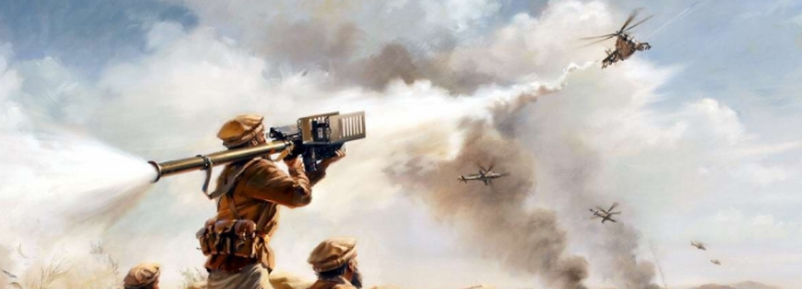
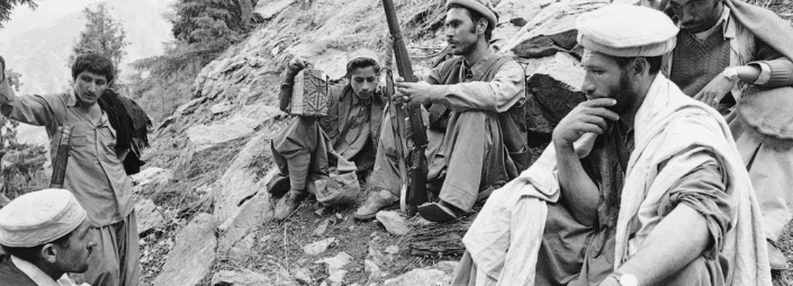
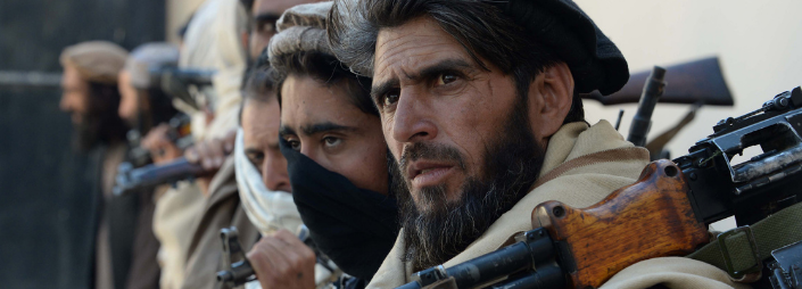
The Soviet-Afghan War was one of the most significant proxy conflicts of the late Cold War. For 9 years, the USSR occupied Afghanistan in the hope of ending civil war and creating a stable pro-Soviet client state. Instead, insurgent groups known as the Mujahideen conducted guerrilla warfare against the deeply unpopular occupying forces. An estimated 500,000-2,000,000 civilians were killed in the fighting and millions fled as refugees.

​The conflict sapped Soviet resources, leading to growing discontent within the USSR which contributed to the collapse of Soviet power. With Soviet withdrawal in 1989, civil war resumed resulting in the victory of the Taliban in 1996. Having now studied various Cold War conflicts in Asia, it becomes clear that the same principles of counter insurgency - and the same mistakes - can be applied to this conflict as well as others. As such, the statement of inquiry is:

Picture
statement of inquiry
Despite significant scientific and technical innovations in warfare, conflicts are still determined by basic military principles
global context
Scientific and Technical Innovation (Opportunity, risk, consequences and responsibility) - Students will explore the natural world and its laws; the interaction between people and the natural world; how humans use their understanding of scientific principles; the impact of scientific and technological advances on communities and environments; the impact of environments on human activity; how humans adapt environments to their needs.
key history concept
Significance - Significance is a concept of a different nature as it is more clearly related to the craft of the discipline. It refers to the quality of having great value taking into account the historical context. Historical context is the political, social, cultural, and economic setting for a particular idea or event. In order to better understand something from history, we must look at its context—those things that surround it in time and place and that give it its meaning or value. In this way, we can gain, among other things, a sense of how unique or ordinary an event or idea seems to be in comparison to other events and ideas.
related history concept(s)
Continuity - While historical study often focuses on moments of significant change, students should also be aware that some change is slow, and that throughout history there is also significant continuity. Students can demonstrate deep historical knowledge and understanding by, for example, showing awareness that there are times when there has been considerable continuity in the midst of great historical change. Alternatively, students may question and assess whether a change in political leadership, for example, brought about a change in foreign policy, or whether it was more accurately mirroring policies of previous governments.

1. Why did the USSR invade Afghanistan?
Picture
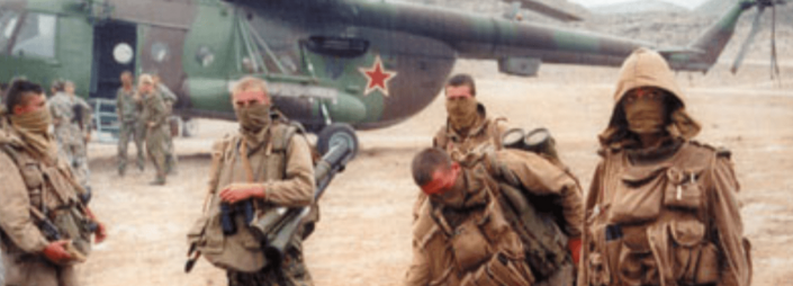
President Reagan's presentation of the USSR as an 'evil empire' that invaded innocent Afghanistan perhaps masks the nuances of the situation. The USSR faced the threat of civil war and Islamic insurgency on its southern borders. What could or should the USSR have done?

2. How did the Soviet-Afghan War evolve?

Unlike Western powers, the Soviet Union had very little experience of counter-insurgency. The Afghan War was a shock to the system. The evolution of the conflict charts the failed attempts of the USSR to adapt to this new form of conflict, with little success.
Picture

3. How was the Soviet Union defeated?

Picture
The traditional view of the Soviet-Afghan War is that like Vietnam, the USSR suffered a massive defeat of its own making. But that view neglects an uncomfortable reality - that the Soviet strategy actually seemed to be working, at least militarily. So which view is right?

4. What was the impact of the Soviet-Afghan War?

​In terms of long-lasting impacts, the Soviet-Afghan War is highly significant. The impact on the Cold War was immediate, ending the detente process. But the ongoing civil war in Afghanistan has been unending since the Soviet withdraw. Why has this been?
Picture

5. Summary: Why did the USSR withdraw?
Picture
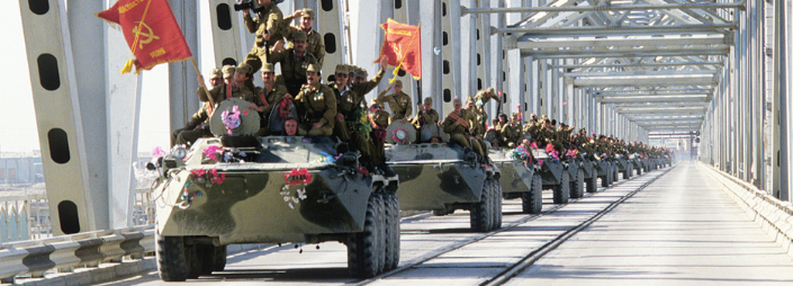
The Soviet-Afghan War is a hugely significant crisis that generates a huge amount discussion. In reality, exam questions could cover any aspect of the conflict, from its causation and course, to how it was resolved, or even why Soviet forces withdraw in 1989.
MRBUDDHISTORY.COM was created in 2012 in order to support the learning of students in History. The site is devoted to creating high-quality and accessible teaching and learning resources for history education and other humanities subjects. 
  • Home
  • Shop
  • iGCSE
  • IBDP
    • Paper 1
    • Paper 2 >
      • Topic 10: Authoritarian States
      • Topic 12: The Cold War >
        • 1. Causes of the Cold War >
          • 1. What role did ideology play in the Grand Alliance?
          • 2. How did wartime disagreements affect the alliance?
          • 3. Did Soviet expansionism end the alliance?
          • 4. Was US exceptionalism to blame?
          • 5. Did events in Asia exacerbate tensions?
          • 6. Were tensions over Germany the final straw?
          • 7. Summary: Who was to blame for the Cold War?
        • 2. Conflict & Confrontation >
          • 1. How did competition unfold in Asia?
          • 2. What conflicts emerged in Europe?
          • 3. How did the Cold War shape the Middle East?
          • 4. Were tensions in the Americas unexpected?
          • 5. Why did the Cold War spread to Africa?
          • 6. How did scientific change drive the conflict?
          • 7. Summary: Who won the global struggle?
        • 3. Detente and Coexistence >
          • 1. Did peaceful coexistence work?
          • 2. What did detente achieve?
          • 3. Why did detente fail?
          • 4. Summary: Was detente a failure?
        • 4. China and the Cold War >
          • 1. Why were Sino-Soviet relations so turbulent?
          • 2. How did Sino-American relations change?
          • 3. What other relations did China cultivate?
          • 4. Summary: When did China become a global power?
        • 5. End of the Cold War >
          • 1. Did the USSR decay from within?
          • 2. Did Ronald Reagan win the war?
          • 3. Was Mikhail Gorbachev to blame?
          • 4. What role did people power play?
          • 5. Why did the USSR finally collapse?
          • 6. Summary: Who, or what, ended the Cold War?
        • 6. Leaders, Crises and Nations >
          • 1. What was the impact of leaders?
          • 2. How significant were Cold War crises?
          • 3. In what ways were nations affected?
          • 4. Summary: What was the role of leaders, crises and nations?
        • Exam Questions
    • Paper 3 - Asia/Oceania >
      • Topic 9: Imperial Decline in East Asia 1860-1912
      • Topic 11: Japan 1912-1990
      • Topic 12: China and Korea 1910-1950
      • Topic 14: The People's Republic of China 1949-2005
      • Topic 15: Cold War Conflicts in Asia >
        • 1. The Malayan Emergency >
          • 1. What triggered conflict in Malaya?
          • 2. How did the Emergency evolve?
          • 3. Why was the insurgency defeated?
          • 4. What was the impact of the Emergency?
          • 5. Summary: Why was communism defeated?
        • 2. The Korean War >
          • 1. What caused the Korean War?
          • 2. How did the Korean War evolve?
          • 3. How was the Korean War resolved?
          • 4. What was the impact of the Korean War?
          • 5. Summary: Was the Korean War a turning point?
        • 3. The French Indochina War >
          • 1. What caused the French Indochina War?
          • 2. How did the French Indochina War evolve?
          • 3. How was the war in Indochina resolved?
          • 4. What was the impact of the Indochina War?
          • 5. Summary: What accounts for the French defeat?
        • 4. The Vietnam War >
          • 1. What caused the Vietnam War?
          • 2. How did the Vietnam War evolve?
          • 3. How was the Vietnam War resolved?
          • 4. What was the impact of the Vietnam War?
          • 5. Summary: Was the Vietnam War inevitable?
        • 5. The Cambodian Civil War >
          • 1. What caused the Cambodian Civil War?
          • 2. How did the Cambodian Civil War evolve?
          • 3. How was the Civil War resolved?
          • 4. What was the impact of the Cambodian Civil War?
          • 5. Summary: Who can be blamed for events in Cambodia?
        • 6. The Soviet Afghan War >
          • 1. Why did the USSR invade Afghanistan?
          • 2. How did the Soviet-Afghan war evolve?
          • 3. How was the Soviet Union defeated?
          • 4. What was the impact of the Soviet-Afghan war?
          • 5. Summary: Why did the USSR withdraw?
        • Exam Questions
  • Links
    • is globalpolitics
    • is history
    • is humanities